
©2026 RajeshSpinalInjury || All Right Reserved. Design & Development by Rajesh Kumar
Spinal Cord Injury in India
Rajesh Spinal Injury is a highly trusted platform dedicated to providing accurate information, resources, and guidance for people affected by Spinal Cord Injury in India and Worldwide. Our main focus is on helping patients and their families understand treatment options, recovery processes, and ways of living better with spinal cord injuries.
Our Mission
Our mission is to empower individuals, improve mobility, restore confidence, and help every patient achieve a stronger, more independent, and hopeful future for all people worldwide today always now together.
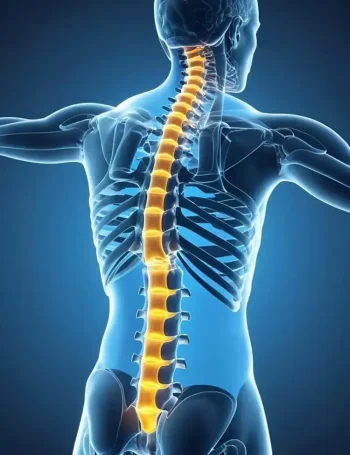
Estimated Total People Living in India
1.5 Million People in India
Each Year New Cases
Approximately 20,000 New Cases
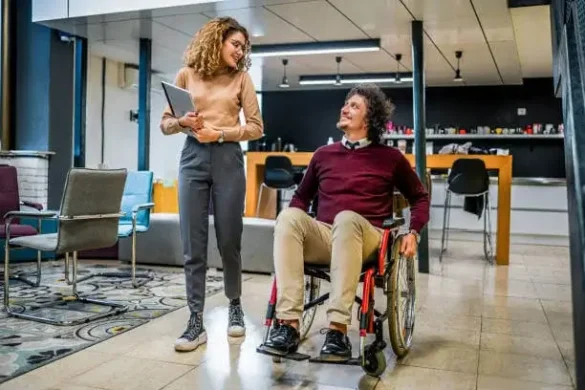
Spinal Cord Injury in India
Spinal Cord Injury in India is a serious public health concern that hampers the lives of up to 1. 5 million people all over the country. New cases are around 20, 000 annually, thereby escalating the physical, psychological as well as financial problems of families and the health sector. An extensive investigation in India based on 2, 716 patients showed that approximately 71% were aged 20 to 49 years (most active working age). Males were more affected than females, with a male, female ratio of 4. 2:1, and nearly 79% of patients lived in rural areas where access to trauma care and preventive measures is still limited.
Traumatic cases study report reveals that falls, account for 59. 3% of cases while road accidents make up almost 35. 9%, which are both preventable. Weak infrastructures, unsafe workplaces, and unawareness contribute to the increase of the risks. Spinal Cord Injury in India also depicts the global situation reported by the World Health Organization, where falls and road traffic injuries are the main causes.
By enhancing safety rules, prompt treatment, as well as providing rehabilitation services, patients’ chances of survival, self, reliance, and quality of life can get better. It is crucial to have community education, emergency response systems, and accessible rehabilitation facilities to decrease the level of disability, encourage recovery, and assist survivors in re, entering society with dignity, getting employment, and ensuring the mental and physical health of families and communities around the globe, at Rajesh Spinal Injury website.
Impact and Challenges
- Health and quality of life: Spinal cord injury (SCI) leads to drastically changed physical, emotional, and social aspects of the lives of the affected people, which also results in poor health and decreased quality of life.
Economic burden: Those who suffer from a spinal cord injury usually experience great financial difficulties due to the fact that a majority of them are unable to go back to the jobs they had before the accident.
Caregiver burden: When it comes to those who are suffering from disabilities, it is usually their family members who take on the role of caregivers, and this can be a very challenging task both emotionally and physically.
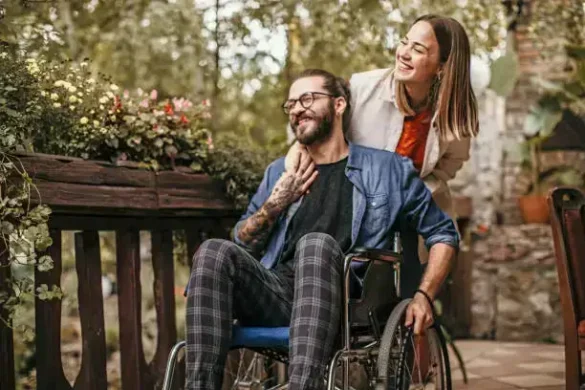
Estimated Total People Living in America
255,000 to 390,000 People in the United States
Each Year New Cases
Approximately 17,000–18,000 New Cases
Spinal Cord Injury in America
Spinal Cord Injury in America has been a very serious health challenge for the people. It is estimated that there are 18, 000 new cases every year. At present, between 255, 000 and 390, 000 people are thought to be living with the consequences which limit mobility, independence, and the overall quality of life to a great extent. Spinal Cord Injury in America is a multifaceted medical condition that demands a comprehensive treatment approach, which includes emergency treatment, surgery, rehabilitation, and long, term care to enable patients to adapt and restore functional capacities.
Demographic statistics reveal that almost 79% of new injuries are sustained by men, thus indicating that they are more exposed to dangerous situations. The mean age at which one sustains the injury is 43, although nearly 50% of the incidents involve young people aged 16 to 30 years.
“Spinal Cord Injury Awareness, Prevention, Care, Information, Guidance & The Latest Research Updates”
About - Rajesh Spinal Injury
Rajesh Spinal Injury website, founded by Rajesh Kumar. “Rajesh Kumar is a person with a cervical spinal cord injury C6–C7 injury level (Quadriplegia), who was injured in a scooter accident on March 25, 2007.” and spreading a reliable source online that aims at educating, informing, raising awareness, prevention, care, rehabilitation, treatment, research, and keeping people updated on spinal cord injury.
Our website is a trustworthy source that offers information, instructions on recovery rehabilitation resources, and worldwide news concerning spinal health. We are committed to providing the patient and the caregiver, medical learners, and all the community members with understandable knowledge of various treatment methods, new researches, and aspects of life after spinal cord injury. This is done through a combination of reliable education and easily accessible spinal injury resources that keep individuals informed, empowered, and connected.
Current Research & Treatment
The current research and treatments are mainly concentrated on the potential new approaches such as Brain and Spine Chip Implants, Nerve Regeneration Drugs, Cell, Based Therapies, and Neuromodulation Devices. Besides immediate treatment for SCI in the form of emergency care to prevent further damage, such as spinal stabilization, there is rehabilitation and therapy that focus on symptom management and functional improvement. Get thorough informations on injury of the spinal cord, spinal cord injury in India news, treatment, physiotherapy, occupational therapy, recovery, and rehabilitation training at Rajesh Spinal Injury website.
Get in Touch
Want to Tell us Something?

Rajesh Spinal Injury is a trusted global website for Spinal Cord Injury Information & the Latest NEWS.
- Address: Dhariwal, Gurdaspur, Punjab. India
- Email: rajeshspinalinjury@gmail.com